Modern mobile apps rarely consist entirely of code written by one development team. Even relatively simple applications may rely on networking libraries, analytics SDKs, database…
A mobile app can have a powerful backend, polished animations, and beautiful screens, yet still feel frustrating if the interface does not react quickly when…
A 120Hz smartphone display feels fantastic. Scrolling looks smoother, animations appear more responsive, and games can feel dramatically more fluid than they do on traditional…
When people compare smartphone performance, they usually look at the processor first. CPU frequency, GPU power, RAM capacity, and benchmark scores receive most of the…
Modern smartphones are expected to do almost everything. They run console-like games, edit high-resolution video, process AI models, connect to fast 5G networks, and handle…
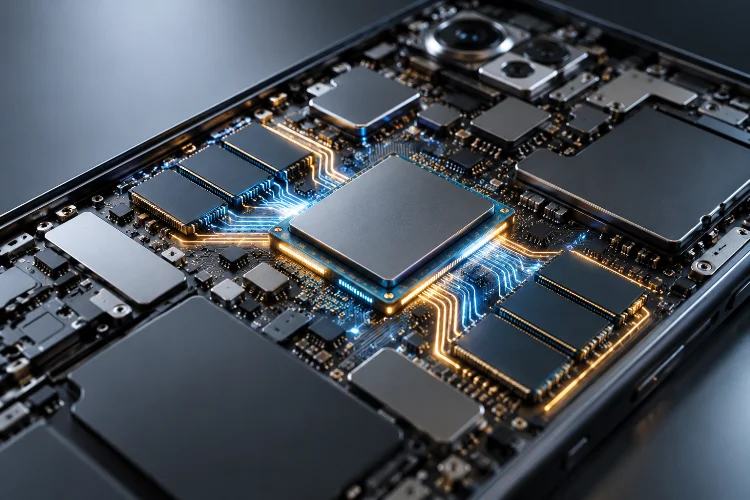
Modern smartphone processors are becoming ridiculously fast. Flagship chips now combine powerful CPU cores, desktop-inspired GPUs, dedicated neural processors, advanced camera engines, and increasingly sophisticated…
Smartphone processors have become incredibly powerful. Modern flagship chips can handle console-like games, high-resolution video editing, AI processing, photography, and heavy multitasking without taking up…